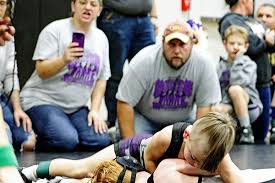

General Information
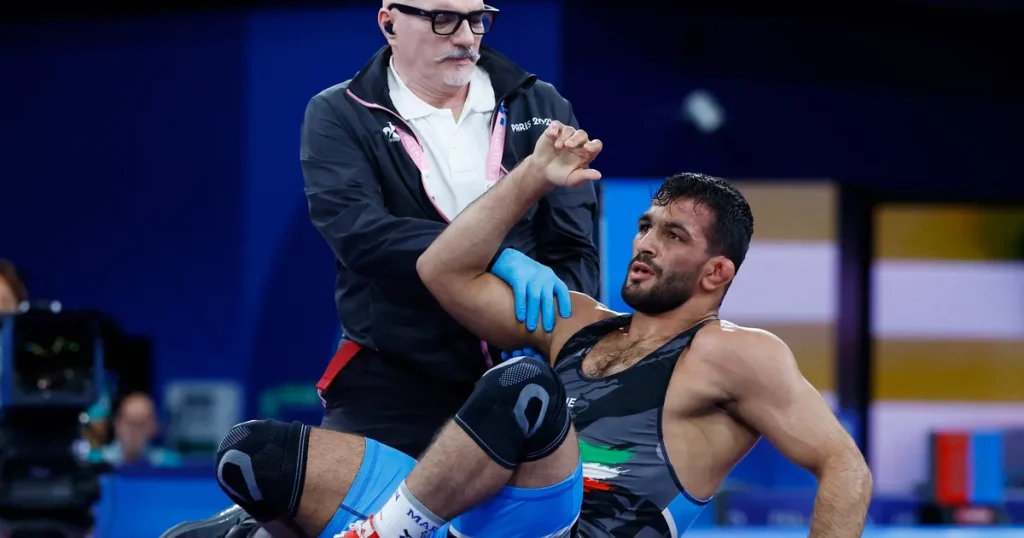
Rule Book
Medication Guidance

Women in Wrestling, Special Considerations
Anti-Doping
Nutritions
Safe Sport & Protection

Mental Health

Parental Support
Rule Book
International Rules
Wrestling, like all other sports, obeys rules that constitute the “Rule of the Game” and define its practice, the aim of which is to “pin” the opponent or to win by scoring more points.
Greco-Roman (GR) and Freestyle (FS) wrestling basically differ as follows:
In Greco-Roman Wrestling, it is strictly forbidden to grasp the opponent below the beltline or to trip him, or to use the legs actively on his opponent to perform any action. However, in Freestyle and Women’s Wrestling (WW), it is permissible to grasp the legs of the opponent, to trip him or her, and to use the legs actively to perform any action. Beach Wrestling is subject to specific regulations that are not addressed in this publication. Wrestling rules are set and governed by the international body, United World Wrestling (UWW).
Our Rule Handbook
The Hong Kong China Wrestling Association (HKCWA) follows the official rules and regulations of United World Wrestling (UWW) to ensure that all training, competitions, and activities meet international standards. By following UWW guidelines, we provide our athletes with fair, safe, and professional wrestling environments that prepare them for both local and global competitions.
To learn more about our policies and competition rules, you can view the HKCWA Rule Handbook here.

Medication Guidance
Common Health Challenges
Wrestlers often face common health challenges, including skin infections, injuries, and illnesses. With awareness and good practices, many of these issues can be prevented or managed safely. Below is general information to guide athletes, coaches, and especially parents.
1. Skin Problems & Infections
Because wrestling involves close contact, athletes may develop fungal infections (e.g. ringworm), bacterial infections (e.g. impetigo or MRSA), or skin irritation from friction and mats.
Prevention tips: Keep skin clean, shower immediately after practice; don’t share towels or gear; inspect mats and equipment regularly; treat cuts or abrasions promptly and cover them securely.
For more about skin and soft tissue infection guidance in Hong Kong, see the Hong Kong Centre for Health Protection’s guidance on skin infections. For more information Click Here.
2. Injuries
Sprains, strains, and minor injuries are common in sport. Viral infections (like colds, flu) can spread quickly in groups.
Prevention tips: Warm up before practice; use proper technique; rest when ill or injured; maintain good hygiene (handwashing, sanitizing shared surfaces); avoid training when very sick.
Always report symptoms early and seek medical evaluation.
3. Illness and Sickness Spread
Because wrestling is a close-contact sport, viruses and infections can spread quickly in training rooms and competitions.
Prevention: wash hands regularly, disinfect mats and equipment, avoid sharing water bottles or towels, and rest when feeling unwell to protect teammates.
Important Reminder
This information is general and for educational purposes only. Every athlete is different. If your child has health concerns, allergies, or takes medication, please consult a qualified healthcare professional or sports medicine specialist. Use the official sources above and work closely with doctors to ensure safety and compliance.
Women in Wrestling: Special Considerations
Female wrestlers face unique health challenges that parents and athletes should understand clearly.
For official health resources, you can refer to:
1. Menstrual Health (Periods)
Periods may affect training and competition due to cramps, fatigue, or mood changes.
Heavy or irregular periods can sometimes lead to iron deficiency or low energy levels.
Keeping track of menstrual cycles helps athletes and coaches adjust training when needed.
2. Energy Balance & RED-S (Relative Energy Deficiency in Sport)
Women are at higher risk of not eating enough to match training demands, which can affect growth, performance, bone health, and hormones.
Signs include frequent fatigue, injuries, irregular or missed periods, or trouble recovering after training.
Prevention: eat regular meals with enough carbohydrates, protein, and healthy fats. Parents should encourage healthy fueling rather than restrictive dieting.
3. Injury Risks
Female athletes may be more prone to certain injuries, such as knee or ligament strains.
Prevention: strength training, balance work, and proper recovery.
4. Emotional & Social Well-Being
Pressure from school, training, and competition can affect confidence and mental health.
Open conversations, supportive coaches, and a positive team environment are very important.
General Reminder
This information is general and educational only. Every athlete’s body is different. If your child has ongoing health concerns — such as frequent illness, unexplained fatigue, irregular periods, or suspected nutrient deficiencies — please consult a doctor or sports medicine professional.
Hong Kong Centre for Health Protection (CHP)
Anti-Doping
Nutrition
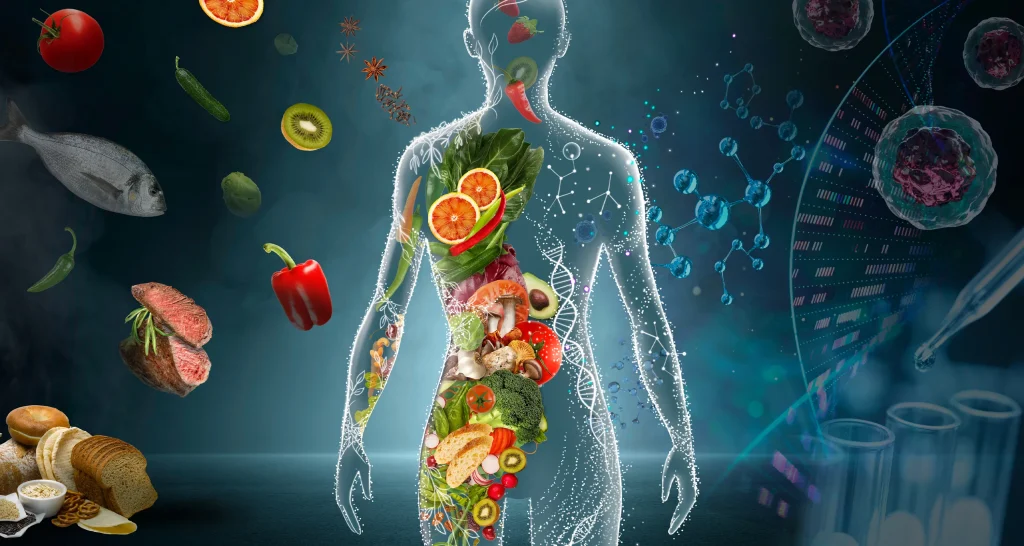
Nutrition plays a vital role in a wrestler’s performance, recovery, and overall health. Wrestlers require a balanced diet that supports intense training, weight management, and muscle repair. A typical nutrition plan should include lean proteins (like chicken, fish, eggs, tofu), complex carbohydrates (such as brown rice, oats, sweet potatoes), healthy fats (from nuts, seeds, avocado, olive oil), and plenty of fruits and vegetables for vitamins and minerals. Hydration is equally important—water and electrolyte-rich fluids help maintain endurance and prevent cramps.
Some wrestlers may consider supplements like whey protein, creatine, BCAAs (branched-chain amino acids), or multivitamins to support their goals. However, supplements should never replace real food and must be used with caution. Every athlete’s body is different, and nutritional needs vary based on age, weight class, training intensity, and health status.
Important Note: This is general information meant for educational purposes only. Wrestlers should always consult a qualified sports nutritionist or medical professional before making changes to their diet or taking supplements. Personalized guidance ensures safety, effectiveness, and compliance with anti-doping regulations.
Safe Sport & Protection
Safeguarding Athletes, Strengthening Sport
Creating a safe and respectful environment for athletes is a cornerstone of modern sport. The International Olympic Committee (IOC) defines “safe sport” as an athletic space that is free from all forms of non-accidental violence, including harassment, abuse, and discrimination. This commitment is embedded in the IOC’s strategic roadmap, Olympic Agenda 2020+5, which prioritizes athlete well-being and mental health. Through initiatives like the Safeguarding Athletes Toolkit and the Mental Health Action Plan, the IOC empowers National Olympic Committees and International Federations to implement policies that protect athletes at every level—from grassroots to elite competition Olympics.
United World Wrestling (UWW) echoes this mission by integrating Safe Sport principles into every aspect of its development programs. All UWW coaching courses, training camps, and workshops include education on athlete safeguarding, ensuring that coaches, referees, and administrators understand their duty of care. UWW actively promotes gender equality, diversity, and inclusion, and takes decisive action against any form of misconduct. Their protocols are designed not only to prevent harm but to foster a culture of respect, equity, and empowerment across the global wrestling community United World Wrestling.
Together, the IOC and UWW form a united front in protecting athletes’ rights and dignity. Their collaborative efforts extend beyond policy—they include training, awareness campaigns, and support systems for athletes, families, and sport professionals. By embedding Safe Sport into the fabric of wrestling and the Olympic movement, they ensure that every athlete can pursue excellence in an environment that values safety, fairness, and human dignity. This is not just a protocol—it’s a promise to every athlete that their well-being matters.
Sources: United World WrestlingUnited World Wrestling – Safe Sport OlympicsIOC – Safe Sport
Mental Health and Support
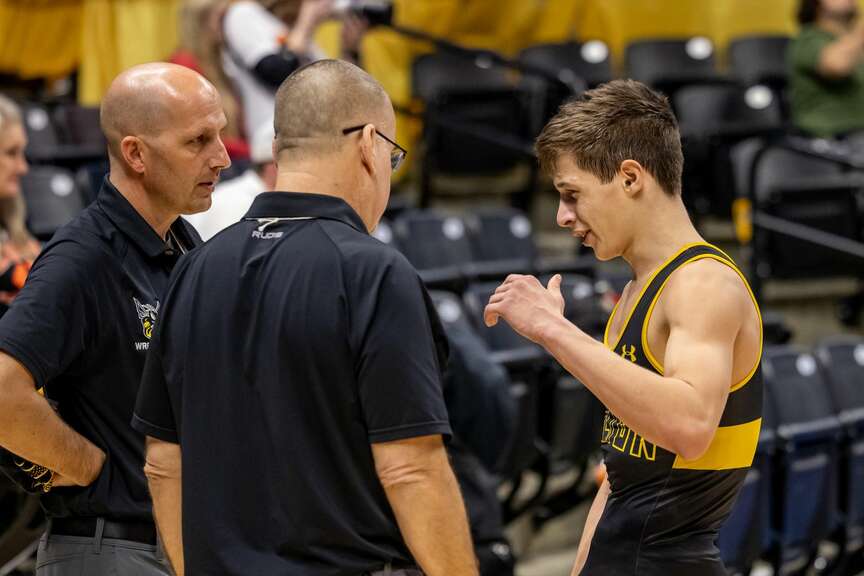
Parental Support